
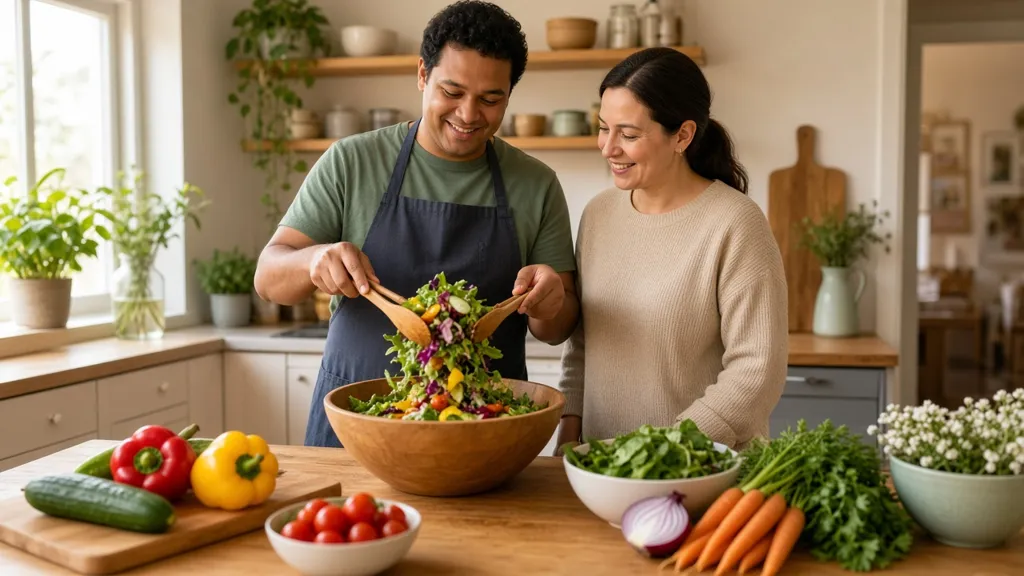
For many adults, being able to make a sandwich, plan a favorite dinner or help cook a holiday meal is a source of real pride. For adults with developmental disabilities, kitchen skills are also a path to more choice and independence at home. This guide explains how families, support coordinators and support staff can build cooking skills for adults with developmental disabilities step by step, with safety and the person’s own preferences at the center. It also explains how cooking fits into Supported Living Residential services in Virginia.
Why Cooking Skills Matter
Cooking touches almost every part of daily life: choosing what to eat, planning, shopping, following steps, staying safe and sharing a meal with others. Even a small skill, such as making morning coffee or setting the table, gives a person more control over their own day. The federal Administration for Community Living describes the goal of community living as people of all ages and abilities living independently, participating in their communities and making choices about their own lives.
Our broader guide to daily living skills for adults with developmental disabilities covers cleaning, personal care and schedules. Here we focus on the kitchen.
Start With the Person’s Preferences
The best place to begin is with what the person likes to eat and wants to learn. Some people want to cook a family recipe; others just want to make their own breakfast. Ask questions, look at pictures of meals together and notice which foods bring the most excitement. Goals that matter to the person are the ones they keep practicing.
In Virginia, skill goals belong in the person’s individual support plan. Our guide on building person-centered goals shows how to turn a wish like “I want to cook dinner for my friends” into steps people can practice and track.
Breaking Cooking Into Small Steps

Cooking is easier to learn when one big task becomes several small ones. A person might master one step, then add the next. Examples of skills to build over time:
Meal planning
- Choosing meals for the week from a picture menu
- Building a simple shopping list with words or pictures
- Checking the refrigerator and pantry before shopping
Shopping
- Finding items in the grocery store
- Comparing options and staying within a budget
- Paying and carrying groceries home
Grocery trips are also a chance to practice community skills. Our guides on community integration and travel training explain how outings like these build confidence.
Preparing and cooking
- Washing hands and produce
- Measuring, stirring, spreading and pouring
- Using a microwave, toaster or slow cooker
- Using the stove or oven with the right level of support
Cleaning up
- Putting food away promptly
- Washing dishes or loading the dishwasher
- Wiping counters and the table
Teaching Strategies That Work
- Picture or video recipes: step-by-step photos can be easier to follow than written instructions.
- Modeling: a staff member or family member shows a step, then the person tries it.
- Adaptive tools: items like cutting guides, large-handled utensils, jar openers and measuring cups with clear markings can make tasks easier.
- Consistent routines: cooking the same simple meal on the same day each week builds memory and confidence.
- Fading support: help is gradually reduced as the person gains skill, so they do as much as they can on their own.
Mistakes are part of learning. Celebrating effort, not just a perfect result, keeps cooking enjoyable.
Kitchen Safety Comes First
Safety skills should be taught alongside cooking skills, at a pace that fits the person. The CDC’s guidance on preventing food poisoning is built around four simple steps: clean, separate, cook and chill. Those steps translate well into a picture checklist on the refrigerator:
- Clean: wash hands before, during and after preparing food, and wash utensils, cutting boards and counters.
- Separate: keep raw meat, poultry, seafood and eggs away from ready-to-eat foods, and use a separate cutting board.
- Cook: use a food thermometer to check that food reaches a safe internal temperature.
- Chill: refrigerate leftovers promptly.
Other safety topics may include stove and oven safety, handling knives, using oven mitts and knowing what to do if something spills or burns. The level of supervision should match each person’s skills and the plan agreed by the team.
A clean kitchen makes cooking safer and more pleasant. For a thorough reset, Alomo Cleaning Services shares a step-by-step guide on how to deep clean a kitchen.
Cooking in Supported Living Residential Services
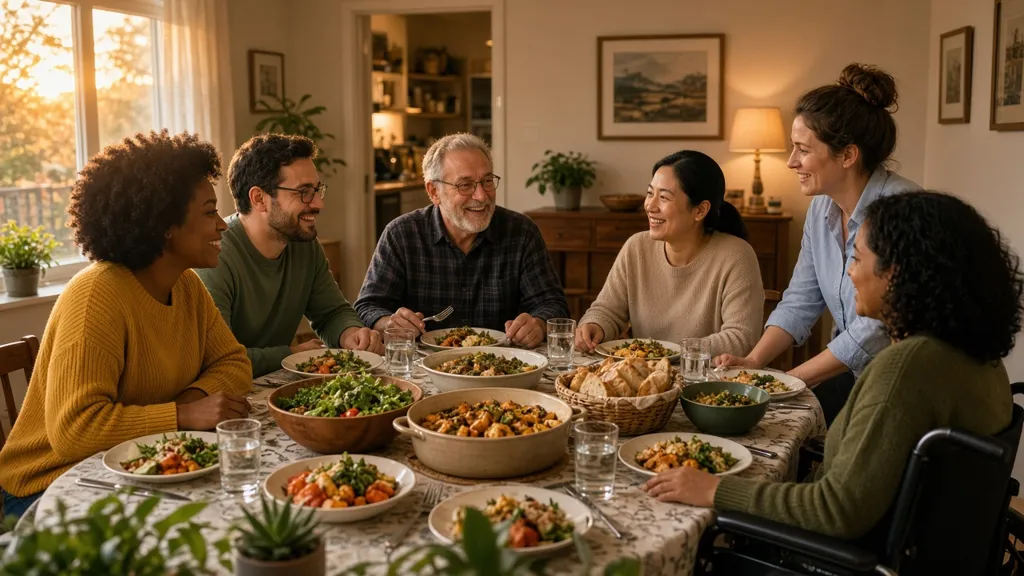
Supported Living Residential is the name used in Virginia’s DD waivers for supports delivered in a residential setting. Xylis Healthcare provides DD Residential Supervised Living for adults with developmental disabilities and accepts the Community Living (CL) and Family and Individual Supports (FIS) waivers. The Virginia Department of Medical Assistance Services explains these waivers on its developmental disability waivers page, and the Department of Behavioral Health and Developmental Services shares information on developmental services for individuals and families.
In a Supported Living Residential home, the kitchen is a natural classroom. Staff can help people choose weekly menus, practice shopping, follow picture recipes and take on more of each meal as their skills grow. Holiday meals, birthdays and weekend breakfasts become chances to cook together and share something people are proud of, while staff provide the level of support each person needs.
Frequently Asked Questions
What cooking skills can adults with developmental disabilities learn?
Many skills can be learned with the right support, from making a snack or using a microwave to planning meals, shopping and cooking full recipes. The right goals depend on the person’s interests and abilities.
How do we keep cooking safe?
Teach food safety and kitchen safety along with each new skill, use adaptive tools where helpful and match supervision to the person’s plan.
What is Supported Living Residential?
Supported Living Residential is the service name used in Virginia’s DD waivers for supports provided in a residential setting. Xylis provides DD Residential Supervised Living and accepts the CL and FIS waivers.
Is Xylis a group home?
No. Xylis provides DD Residential Supervised Living for adults with developmental disabilities in Virginia. It is not a group home.
Talk With Xylis Healthcare
If you are looking for supervised living that helps an adult with a developmental disability build everyday skills like cooking, we are here 24/7. Call (240) 639-2059, email xylishealthcare@outlook.com or reach us through our contact page. Support coordinators and case managers can start on our referrals page. Our office is at 2121 Eisenhower Ave, Alexandria, VA 22314. Learn more about our services.