
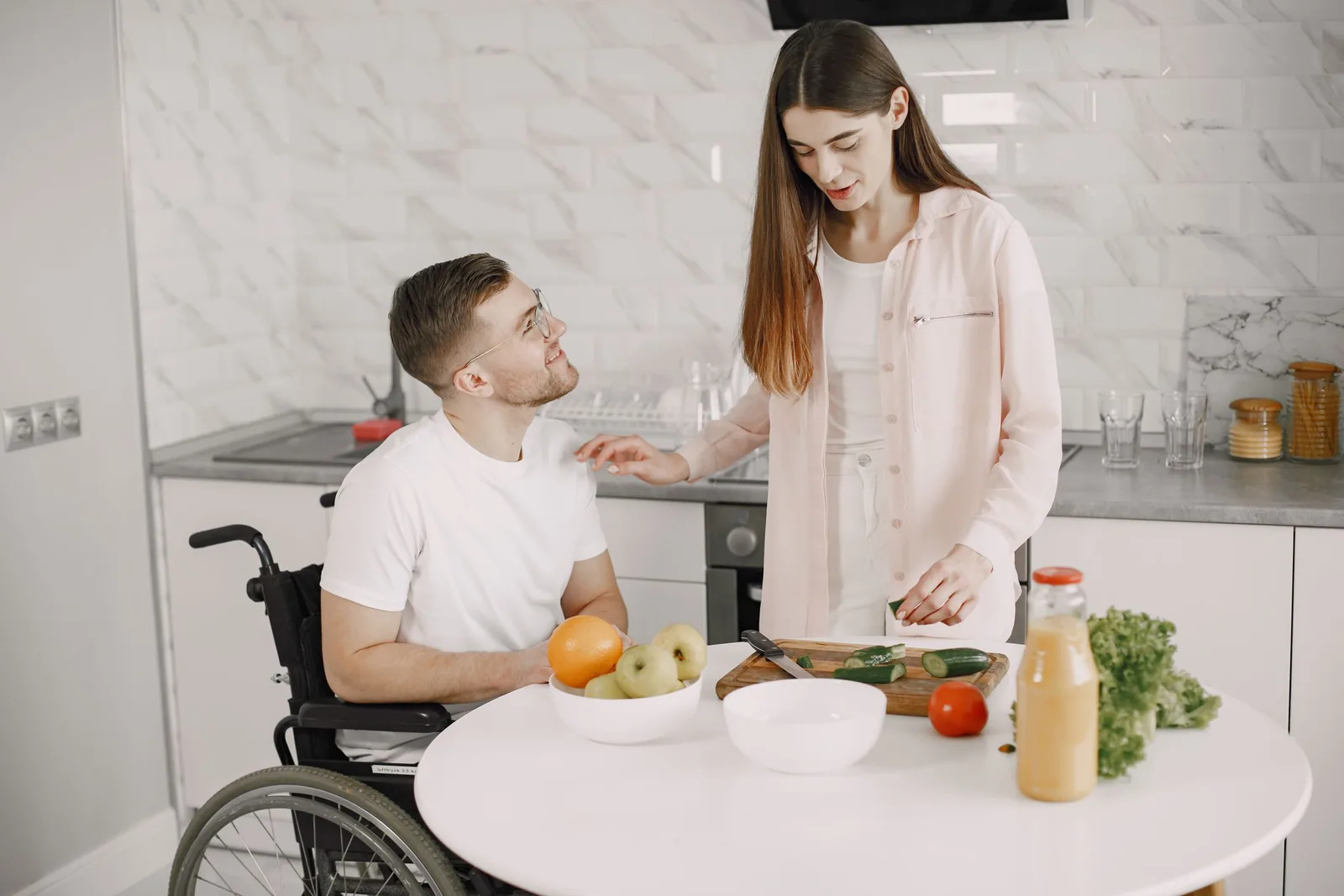
For many adults with developmental disabilities, independence is built one everyday task at a time: making breakfast, choosing what to wear, keeping track of the week’s plans, or catching the bus to a favorite place. These are daily living skills, and they shape how much choice and confidence a person has in their own life. This guide explains what daily living skills for adults with developmental disabilities include, how they are supported in a supervised living home, and how families, support coordinators and case managers can help a person keep growing.
What Are Daily Living Skills?
Daily living skills are the practical abilities people use to take care of themselves and their home. They are sometimes grouped into two areas:
- Personal care skills: bathing, grooming, dressing, toileting and taking care of one’s health.
- Home and life management skills: cooking, cleaning, laundry, shopping, managing a schedule and handling money.
Community skills build on these. They include getting around town, using community resources, communicating with others and making decisions in everyday situations.
Every person starts from a different place. One adult may be working on brushing their teeth with fewer reminders, while another is learning to plan meals for the week. Both are meaningful goals.
Why Daily Living Skills Matter in Supervised Living
Supervised living provides support around the clock, but good support does not mean doing everything for someone. The goal is to help each person do as much as they can for themselves, with the right amount of help. When staff step in only as much as needed, people gain confidence, build routines they own and have more say in how their day goes.
This idea fits with the wider community living approach. The federal Administration for Community Living explains on its About Community Living page that all people, regardless of age or disability, should be able to live independently, participate fully in their communities and make choices about their own lives.
Core Daily Living Skills to Build
Cooking and mealtimes
Mealtimes offer many small chances to learn: choosing a meal, writing a shopping list, washing produce, using the microwave or stove safely, setting the table and cleaning up. A person might start by helping with one step and add more over time.
Cleaning and home care
Keeping a room tidy, doing laundry and helping with household chores builds pride in one’s home. A simple chore chart with daily and weekly tasks can make expectations clear. For ideas on breaking chores into daily, weekly and monthly tasks, our sister company Alomo Cleaning Services shares a helpful guide on how often to clean a house.
Personal care and health routines
Personal care is private and personal, so support should always respect dignity and the person’s preferences. Goals might include following a morning routine, choosing weather-appropriate clothing or remembering appointments.
Managing a schedule
Knowing what is happening today and this week gives people a sense of control. Visual calendars, picture schedules, phone reminders or a whiteboard in the kitchen can all help, depending on what works for the individual.
Building Community Skills
Life is not only lived at home. Community skills help people take part in the places and activities that matter to them, such as:
- Shopping at a local store and paying at the register
- Using public transportation or planning a ride
- Visiting the library, a place of worship, a park or a community center
- Ordering at a restaurant or coffee shop
- Joining clubs, classes or volunteer activities
Each outing is also a chance to practice communication, safety awareness and decision-making in real settings.
How Skills Are Supported Day to Day
Learning a new skill takes practice and patience. Some practical approaches families and support teams often use include:
- Breaking tasks into steps: “make a sandwich” becomes getting bread, adding fillings, cutting and cleaning up.
- Practicing in real life: skills learned while actually cooking or shopping tend to stick better than practice alone.
- Fading support over time: staff may start by doing a step together, then move to reminders, then simply check in.
- Celebrating progress: small wins build confidence and motivation.
Daily Living Skills in the Person-Centered Plan
In Virginia, skill goals are part of each person’s individual support plan. The person, their family or guardian and their support coordinator decide together what matters most, and the plan is reviewed as goals change. If you are new to this process, our earlier guide to person-centered supervised living in Virginia walks through how planning works.
Virginia’s developmental disability services are overseen by the Department of Behavioral Health and Developmental Services, which shares information on its developmental services for individuals and families page. Waiver coverage is explained by the Department of Medical Assistance Services on its DD waivers page.
How Xylis Healthcare Supports Daily Living and Community Skills
Xylis Healthcare Services LLC provides DD Residential Supervised Living for adults with developmental disabilities across Virginia. Daily living and community skills are a core part of our services, alongside 24/7 supervised support and person-centered planning. That includes:
- Daily routines such as cooking, cleaning, personal care and managing a schedule
- Community outings, activities and connections
- Building confidence, communication and decision-making skills
We accept the Community Living (CL) Waiver and the Family and Individual Supports (FIS) Waiver. You can learn more about our team and approach on our About Us page. Xylis is part of a family of local businesses that includes MastermindGOC.
Frequently Asked Questions
What daily living skills can adults with developmental disabilities work on?
Common goals include cooking, cleaning, laundry, personal care, managing a schedule, shopping and using community resources. The right goals depend on the person and what they want for their life.
Who decides which skills to focus on?
The person leads, with input from family or guardians and their support coordinator. Goals are written into the individual support plan and updated over time.
Which waivers does Xylis accept?
We accept the Community Living (CL) and Family and Individual Supports (FIS) waivers.
How do I make a referral?
Families, guardians, support coordinators and case managers can use our referrals page or contact us directly.
Talk With Xylis About Daily Living Skills Support
If you are looking for supervised living that helps an adult with a developmental disability build daily living skills and stay connected to the community, we would be glad to talk. Call (240) 639-2059, email xylishealthcare@outlook.com or reach us through our contact page. Our office is at 2121 Eisenhower Ave, Alexandria, VA 22314.