
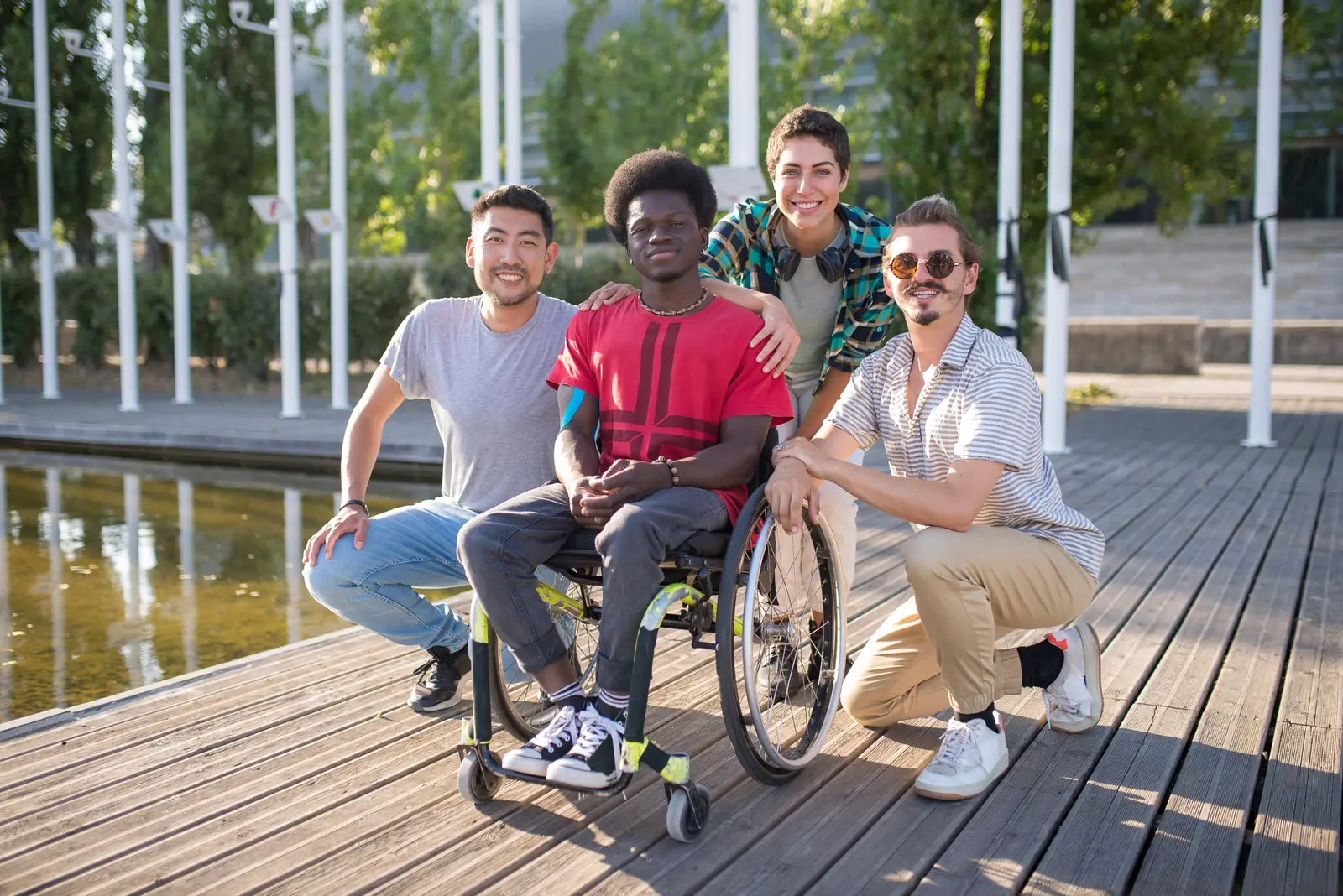
A good home is only part of a good life. For adults with developmental disabilities, belonging also means being known at the corner store, having a favorite seat at the library, volunteering on Saturdays or seeing friends at a place of worship. This guide explains what community integration for adults with developmental disabilities looks like in practice, which skills help make it possible, and how families, support coordinators and case managers in Virginia can build it into a supervised living plan.
This is general information to support conversations. Decisions about services for a specific person are made with the person, their family or guardian and their support coordinator through the official planning process.
What Community Integration Means
Community integration means a person takes part in everyday community life in the same places as everyone else, with the support they need, and with real choices about where they go and who they spend time with. It is about participation and relationships, not just being driven past places.
This idea sits at the heart of community living. The U.S. Administration for Community Living explains in About Community Living that all people, regardless of age or disability, should be able to live independently and participate fully in their communities. ACL also notes the 1999 Supreme Court Olmstead decision, which held that people with disabilities must receive services in the most integrated settings possible.
Why It Matters in Supervised Living
Supervised living provides support around the clock, but the goal is never to keep life inside the house. At Xylis Healthcare, our DD Residential Supervised Living services include daily living and community skills, with real chances to take part in community outings, activities and connections. Time in the community builds confidence, communication and decision-making in real settings, and it helps people form relationships that do not depend on paid staff.
Community integration also builds on skills practiced at home. Our guide to daily living skills for adults with developmental disabilities covers cooking, cleaning, personal care and managing a schedule, the foundation many community goals grow from.
Community Skills That Open Doors
Getting around
Knowing how to get from home to a destination is often the first step. Goals might include planning a ride, learning a bus route, recognizing landmarks or knowing how long a trip takes.
Shopping and handling money
A trip to the store is full of learning: making a list, finding items, comparing choices, paying at the register and checking change. Small purchases at a familiar shop are a good starting point.
Communication and social skills
Ordering at a coffee shop, asking a librarian for help, greeting a neighbor or introducing yourself at a group are all community skills. Each person communicates in their own way, and support should respect that.
Safety awareness
Being safe in public includes crossing streets carefully, knowing who to ask for help, carrying identification and knowing what to do if plans change. These skills are practiced gradually so the person gains confidence without being overwhelmed.
Using community places
Libraries, parks, community centers, recreation programs, places of worship, clubs, classes and volunteer opportunities all offer ways to belong. The best choices come from the person’s own interests.
Start Small and Build Up
Community integration works best when it grows step by step. A practical approach many support teams use looks like this:
- Start with interests. Ask what the person enjoys or wants to try, and begin there.
- Choose familiar places first. A nearby store or park at a quiet time of day is easier than a crowded event.
- Keep a routine. Going to the same place at the same time each week helps people get to know the person by name.
- Practice one skill at a time. Paying at the register this month, ordering independently next month.
- Talk it over afterward. What went well? What felt hard? What should change next time?
- Step back as confidence grows. Staff support only as much as needed and encourage independence wherever possible.
From Outings to Real Relationships
An outing is an activity. Integration is when the person becomes part of something. Joining the same club every week, volunteering with the same team or becoming a regular at a local spot creates chances for genuine friendships. Staying connected with family and existing friends matters just as much, whether through visits, phone calls or shared celebrations.
Well-being and connection go hand in hand. Our sister company MastermindGOC reflected on that link in its post honoring World Mental Health Day.
Building Community Goals Into the Plan
In Virginia, each person’s goals are written into their individual support plan, which the person, their family or guardian and their support coordinator build together. Community goals belong there too, written in the person’s own words when possible. Our guide on how to prepare for a person-centered planning meeting explains what to bring and how to make sure the person’s voice leads.
For background on services and waivers, the Virginia Department of Behavioral Health and Developmental Services shares its developmental services for individuals and families page, and the My Life, My Community site helps people and families answer questions about waivers, housing and local services.
Tips for Families and Support Coordinators
- Share the person’s interests, past activities and places they already love.
- Note what has helped in the past, such as visual schedules, a trusted companion or quieter times of day.
- Be clear about safety considerations without letting them shut down opportunities.
- Ask providers how community time is planned, how choices are offered and how progress is reviewed.
- Revisit community goals at every plan review as interests change.
How Xylis Healthcare Supports Community Integration
Xylis Healthcare Services LLC provides DD Residential Supervised Living for adults with developmental disabilities across Virginia, with our office in Northern Virginia. Community participation is part of everyday life in our homes, alongside 24/7 supervised support and person-centered planning. To see how community time fits into a full day, read what daily life looks like in 24/7 supervised living. You can learn more about our team on our About Us page.
Frequently Asked Questions
What does community integration for adults with developmental disabilities include?
It includes taking part in everyday community life, such as shopping, recreation, worship, volunteering, classes and social activities, with the right support and with real choices about how to spend time.
Who decides which community activities a person takes part in?
The person leads, with input from family or guardians and their support coordinator. Goals are written into the individual support plan and updated over time.
Which Virginia DD waivers does Xylis accept?
We accept the Community Living (CL) Waiver and the Family and Individual Supports (FIS) Waiver.
How do I make a referral?
Families, guardians, support coordinators and case managers can start on our referrals page or contact us directly.
Talk With Xylis About Community Integration
If you are looking for supervised living that helps an adult with a developmental disability stay connected to their community in Virginia, we would be glad to talk. Call (240) 639-2059, email xylishealthcare@outlook.com or visit our contact page. Our office is at 2121 Eisenhower Ave, Alexandria, VA 22314.